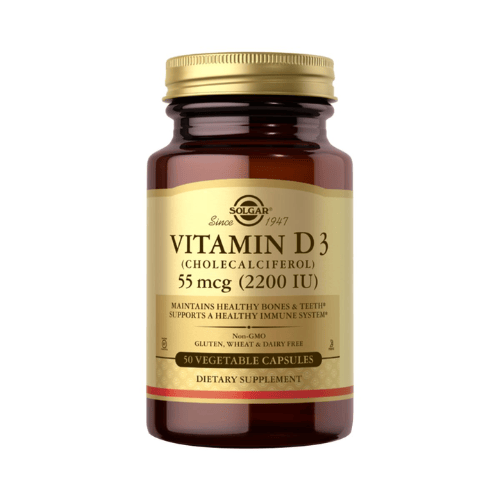
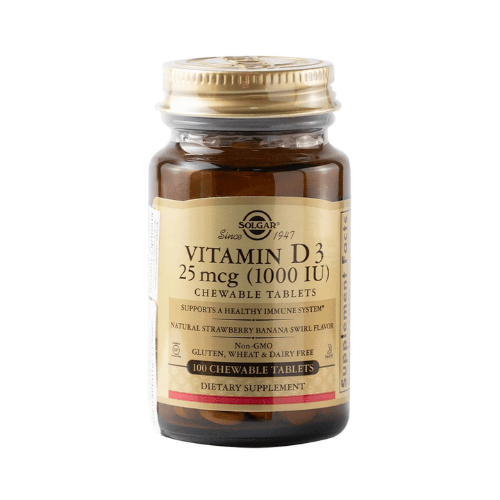
Finevit D3 is an orodispersible film: no water needed, it dissolves on the tongue. A convenient way to get vitamin D during the winter months.
International name
Colecalciferolum
Trade name
Finevit-D3 2000
International non-proprietary name
Vitamin D3 (cholecalciferol)
Pharmaceutical form
Orodispersible films
Composition
Each orodispersible film contains:
Vitamin D3 (cholecalciferol) USP 2000 IU (vitamin-equivalent supplement)
Pharmacotherapeutic group
Vitamin supplement
Therapeutic indications
Vitamin D3 orodispersible films 2000 IU are indicated in adults, the elderly and adolescents for the prevention and treatment of vitamin D deficiency.
In patients with vitamin D deficiency or at risk of vitamin D insufficiency, as an adjunct to the treatment of osteoporosis.
Dose and method of administration
Dose
Pediatric populations
Vitamin D3 orodispersible films are not recommended in children under 12 years of age.
Treatment of deficiency
(Adults: 50,000 IU/week for 6 weeks or 3,000-4,000 IU/day for 10-12 weeks.
Adolescents aged 12 years or older: 25,000 IU once every 2 weeks for 6 weeks (i.e. a total dose of 75,000 IU) or 2,000 IU/day for 6 weeks.
Maintenance treatment after treatment of deficiency
Adults: 25,000 IU/month or 1,000 IU/day. In certain situations, it may be necessary to increase the dose up to 50,000 IU/month or up to 4,000 IU/day if maintenance cannot be achieved in the patient with lower doses.
Adolescents aged 12 years or older: 1,000 IU/day.
After starting maintenance treatment, 25(OH)D should be checked after approximately 3-4 months to confirm that the target level has been reached.
Prevention of deficiency
Adults: 25,000 IU/month or 1,000 IU/day. In certain situations (see below), it may be necessary to increase the dose up to 50,000 IU/month or up to 4,000 IU/day if maintenance cannot be achieved in the patient with lower doses.
Adolescents aged 12 years or older: 25,000 IU every 6 weeks
Together with specific osteoporosis therapy
Adults: 25,000 IU/month or 1,000 IU/day.
Certain populations are at high risk of vitamin D deficiency and may need higher doses, e.g.:
Method of administration
Taken orally
Place on the tongue, wait until it dissolves, and then swallow. The films may be taken with food.
Contraindications